November 2, 2026 · 6 min read
Kyoto Is a Beautiful City That Wasn't Built for Your Kids — And That's Okay If You Know It
An honest take on visiting Kyoto with young children: why the city's temples and gardens are hard for kids, what children actually need, and how to give everyone the trip they deserve.
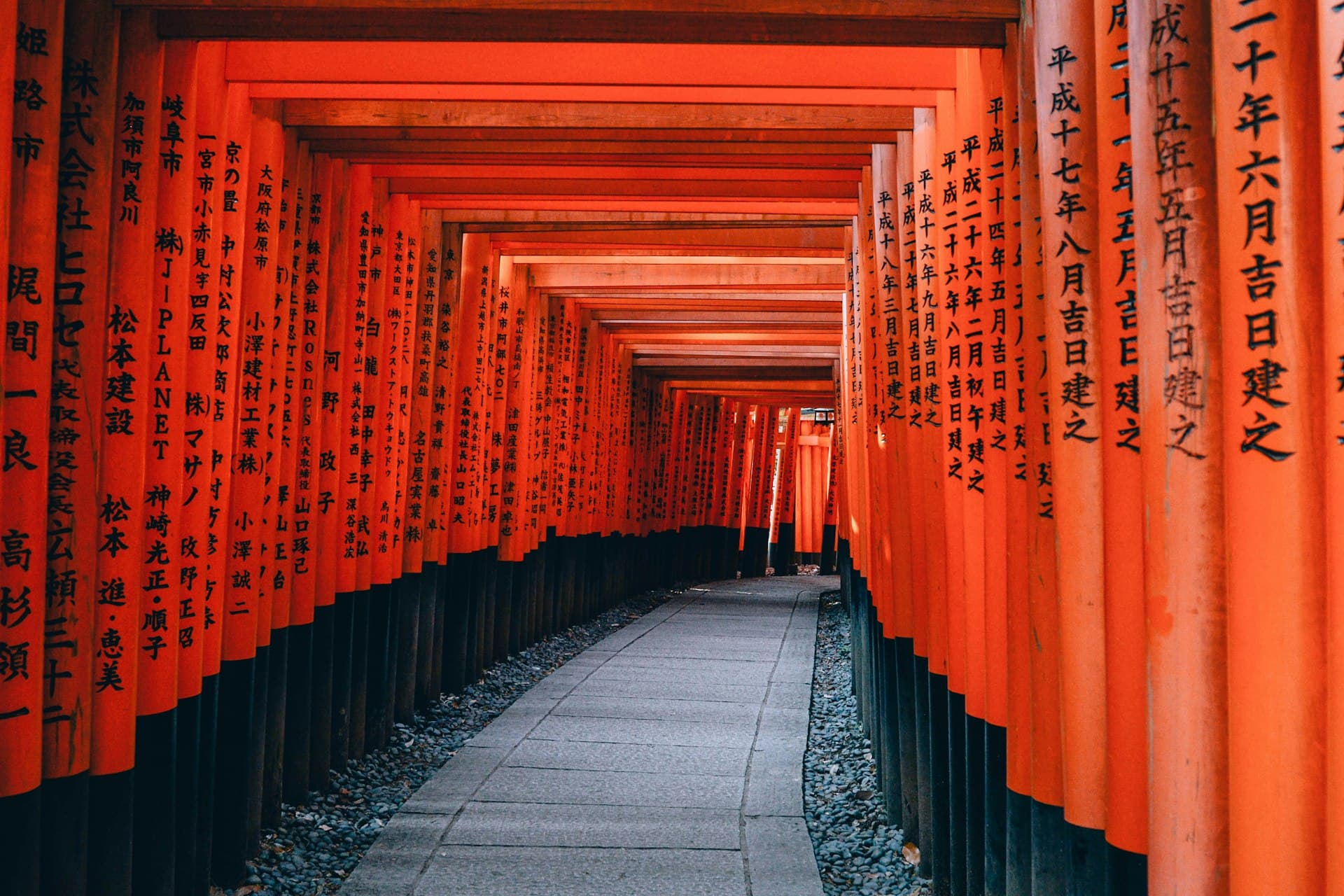
Let me say something that no one in the Kyoto tourism industry wants to admit: most of what makes Kyoto extraordinary is genuinely, structurally difficult for young children.
Not because your kids lack curiosity. Not because you're doing it wrong. But because a city whose greatest treasures are silent temples, contemplative rock gardens, and steep forested hillside paths was built for a specific kind of presence — one that most five-year-olds, by no fault of their own, cannot sustain for very long.
I've spent years working with families who arrive in Kyoto having planned meticulously. They've read the blogs, booked the ryokan, mapped the shrine circuit. They love their children. They love travel. And by day two, someone is crying at Fushimi Inari — and it's not always the child.
The Gap Between the Kyoto You Imagined and the Kyoto You Experience With a Toddler
Here's what no travel article prepares you for.
Kinkaku-ji is a golden pavilion surrounded by a gravel path and a lot of people holding their phones up. There is nothing for a three-year-old to do there except stand still and look, which is precisely what a three-year-old will refuse to do after about ninety seconds. Arashiyama's bamboo grove is genuinely magical — it's also a narrow, crowded corridor where a stroller becomes a social liability. Nishiki Market is a feast for adventurous adult eaters; it is loud, packed, and lined with food on skewers at face-height for a child who doesn't want to eat any of it.
None of this is a criticism of Kyoto. These places are extraordinary. The problem is the mismatch between what they offer and what a young child needs on any given afternoon.
Bringing a young child to Kyoto doesn't diminish the trip — but pretending the city was designed for them does a disservice to everyone, including the child.
When families come to us, the most common thing I hear is some version of: "We didn't want to just split up the whole trip, but we also couldn't figure out how to make it work together." That tension is real, and it deserves an honest answer rather than another listicle of "kid-friendly Kyoto spots" that amounts to recommending the aquarium.
What Children Actually Need — And What Kyoto Can Actually Offer Them
Here's where I want to challenge the framing that usually shapes this conversation.
The question most travel writers ask is: How do we retrofit Kyoto for kids? How do we find the spots that are tolerable, the museums with interactive exhibits, the parks with enough room to run?
That's the wrong question. It starts from the assumption that children are a problem to be accommodated.
A child isn't a smaller, less interested version of an adult traveler. They experience the world through completely different channels — and Kyoto, if you approach it honestly, has something genuinely remarkable to offer those channels.
Think about what Kyoto actually has in abundance: craft traditions, seasonal rituals, a deeply intact neighborhood culture, children who go to school and play and live ordinary Japanese lives in a city that happens to contain some of the world's most significant heritage. The cultural richness that gets filtered out for adults — the everyday texture of life here — is precisely what is most alive and accessible to a curious child.
The issue isn't that Kyoto lacks something for kids. It's that the standard tourist lens doesn't know how to find it.
This is part of why we built what we built. We kept watching parents spend enormous effort managing their children through experiences that weren't meant for them, while the children spent those same hours wishing they could actually touch something, make something, talk to someone their own age. We thought: what if the child's day in Kyoto were designed around the child's actual capacity for wonder — not as a consolation prize, but as its own genuine encounter with Japan?
The most meaningful thing a child can bring home from Japan isn't a photograph at a famous gate. It's the memory of making something with their hands, or the moment they realized a Japanese kid laughed at the same thing they did.
The Real Cost of Forcing It
I want to be direct about something uncomfortable.
When families push through — when everyone stays together at every site regardless of how the children are doing — the cost isn't just a difficult afternoon. The cost is that the adults don't really see Kyoto either. They're managing. They're negotiating. They're checking the time, estimating how long until the next meltdown, calculating whether the next temple is worth it.
I'm not saying families should separate. I'm saying the guilt that makes parents feel they must stay together every moment of a trip is worth examining. You came a very long way. Your children deserve a day that is genuinely theirs. And you deserve, perhaps just for an afternoon, to stand in a garden and actually be in it.
There is nothing selfish about letting your children have their own Kyoto while you have yours. In fact, it might be the most generous thing you do for everyone.
Our drop-in childcare exists because of this. Not as a workaround or a compromise, but as a deliberate recognition that children who are engaged, stimulated, and genuinely included in age-appropriate cultural experiences are children who arrive back at dinner happy — and that changes the entire family's trip.
When your child spends an afternoon doing hands-on cultural activities alongside Japanese children, something happens that no amount of dragging them through temples will produce. They get a real encounter with Japan. And when you pick them up and they start telling you about their day with more energy than they've had all trip, you'll understand why we believe so firmly that this isn't a lesser version of the experience. It's its own version — and for them, it's the better one.
A Final, Honest Word
Kyoto will reward your children eventually — probably when they're teenagers or adults, when they come back with the patience to let the stillness of a dry garden actually settle over them. That's not a failure. That's just how it works.
In the meantime, they deserve to experience Japan in a way that meets them where they are: curious, physical, social, present in an entirely different way than you are.
We didn't build a childcare service for tourists. We built an answer to a question most Kyoto guidebooks don't have the courage to ask: what does a great day in Japan actually look like for a six-year-old?
If you're planning a trip to Kyoto with young children, I hope this gives you permission to let go of the idea that everyone must experience everything together, in lockstep, for the trip to count. It counts. All of it counts. But it counts more when each person in your family — including the smallest ones — gets a version of Japan that was actually meant for them.
We run licensed drop-in childcare in Kyoto designed specifically for families visiting from abroad. Our program combines genuine cultural experience for kids with the opportunity to connect with Japanese children — so that what your child remembers about Japan is something they earned, not something they endured. Kyoto Marble Childcare is the English-speaking drop-in childcare service of Quality Child Care まーぶる, a short walk from Yamashina Station.
Common questions
- Is Kyoto a good destination for young children?
- Kyoto is wonderful, but many of its signature sights — silent temples, rock gardens, crowded bamboo paths — ask for a kind of stillness most young children can't sustain for long. The trip works beautifully when you plan around what children actually need rather than expecting them to experience Kyoto the way adults do.
- Why is Kyoto difficult to visit with a toddler?
- The city's greatest treasures reward quiet, patient attention. A three-year-old at a gravel-path pavilion or a packed market has little to do and little to touch. It's not a failing of the child or the parent — it's a mismatch between what these places offer and what a young child needs on a given afternoon.
- Is it okay to use childcare instead of keeping the family together the whole trip?
- Yes. Letting your children have their own age-appropriate day in Kyoto while you experience the city at an adult pace isn't selfish — it often gives everyone a better trip. Children come back engaged and happy, and parents actually get to be present.
- What can children do in Kyoto that is genuinely meant for them?
- Hands-on cultural activities, craft traditions, seasonal rituals, and time alongside local Japanese children. The everyday texture of life in Kyoto is exactly what's most alive and accessible to a curious child — it's just not what the standard tourist route is built to find.
While you explore Kyoto, your child can too.